
Natural lizard repellents rely on scents from essential oils or textured surfaces to create unpleasant environments. They are eco-friendly but can require frequent reapplication and may vary in effectiveness lizard repellent. Chemical repellents contain compounds like naphthalene or pyrethroids that produce stronger, longer-lasting deterrents by irritating lizard senses or nervous systems. However, they may pose health and environmental risks. Effectiveness depends on balancing safety, durability, and convenience. Further insights explore how to select the ideal option for different needs.
How Natural Lizard Repellents Work and Common Options
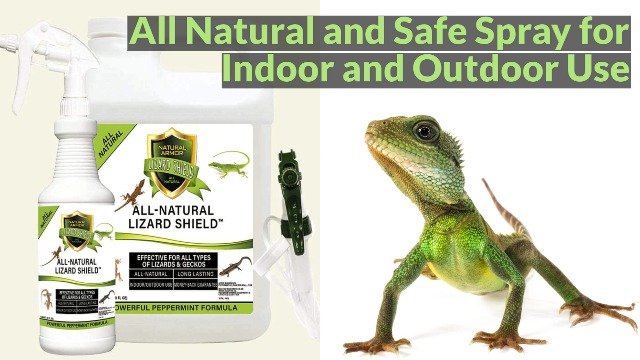
Through the use of scent and texture, natural lizard repellents deter these reptiles by creating an environment that is uncomfortable or unappealing igreenasia. These repellents often rely on essential oils such as peppermint, eucalyptus, or garlic, whose strong aromas disrupt lizards’ sensory perception.
Additionally, certain textures, like rough surfaces or materials with sharp edges, discourage lizard movement and habitation. Common options include placing dried neem leaves, onion slices, or coffee powder around entry points, as their odors are naturally offensive to lizards.
This approach appeals to those valuing freedom from synthetic chemicals, offering a non-toxic, eco-friendly way to coexist without harm. By altering the immediate surroundings, natural repellents provide a subtle yet effective barrier, allowing spaces to remain lizard-free while respecting environmental balance.
What Chemical Lizard Repellents Contain and How They Act
Chemical lizard repellents utilize specific compounds designed to disrupt lizard behavior or physiology. Common ingredients include naphthalene, sulfur, and certain synthetic pyrethroids, which produce odors or sensations unpleasant to lizards. These chemicals interfere with lizards’ sensory receptors, deterring them from entering treated areas.
Some repellents employ irritants that trigger avoidance responses, while others affect the nervous system, reducing activity and encouraging withdrawal. The goal is to create an environment lizards find inhospitable, promoting voluntary departure without physical harm.
These compounds often act quickly, offering proactive protection for spaces where freedom from lizard presence is desired. However, their effectiveness depends on proper application and environmental factors, requiring users to balance efficacy with safety considerations in pursuit of maintaining control over their surroundings.
Pros and Cons of Natural vs Chemical Lizard Repellents
Frequently, individuals must choose between natural and chemical lizard repellents based on their specific needs and concerns. Natural repellents, often derived from herbs and essential oils, offer an eco-friendly option with minimal environmental impact. They appeal to those seeking non-toxic alternatives, though their effectiveness may be inconsistent and require frequent reapplication.
Chemical repellents, by contrast, tend to provide stronger, longer-lasting results due to active synthetic ingredients. However, they may raise issues related to environmental harm and potential residue.
While natural repellents support a more sustainable lifestyle, their limitations in potency can frustrate users. Chemical options deliver reliable lizard deterrence but may compromise ecological balance.
Ultimately, the decision depends on balancing effectiveness against personal values regarding safety and environmental responsibility.

Safety Considerations for Using Natural and Chemical Repellents
Choosing between natural and synthetic lizard repellents involves more than just weighing effectiveness and environmental impact; safety considerations play a significant role in their selection and use.
Natural repellents, often derived from plant oils or herbs, typically pose fewer risks to humans and pets, though allergic reactions or sensitivities remain possible. Chemical repellents, while potent, may contain substances that can irritate skin, eyes, or respiratory systems, requiring careful handling and storage.
Proper application and adherence to manufacturer guidelines are essential to minimize unintended exposure. Additionally, environmental persistence and potential toxicity to non-target species must be considered.
Ultimately, users must balance freedom in pest control with responsible practices that safeguard health, ensuring repellents do not compromise safety in living spaces or outdoor areas.
Choosing the Best Lizard Repellent for Your Home or Garden
When selecting a lizard repellent for a home or garden, several factors must be considered to guarantee effectiveness and safety. Key considerations include the environment’s sensitivity, presence of children or pets, and the extent of the lizard problem.
Natural repellents appeal to those prioritizing eco-friendliness and minimal health risks, though they may require frequent reapplication. Chemical options often provide faster, longer-lasting results but carry potential hazards and environmental concerns.
Additionally, the choice depends on whether the area is indoors or outdoors, as some repellents perform better in specific settings. Ultimately, the best repellent balances efficacy, safety, and convenience while respecting the user’s freedom to maintain a comfortable, lizard-free space without compromising well-being or the environment.
Conclusion
Both natural and chemical lizard repellents offer distinct advantages and limitations. Natural repellents provide a safer, eco-friendly option but may require frequent application and have variable effectiveness. Chemical repellents tend to act faster and last longer but pose potential health and environmental risks. Ultimately, the choice depends on individual preferences, safety concerns, and specific needs for home or garden use. Careful consideration guarantees the most suitable and effective lizard control method is selected.


