
In the realm of veterinary care, the proactive use of pet diagnostics stands as a vital tool in safeguarding the well-being of our beloved animal companions. By leveraging cutting-edge technologies and routine screenings, veterinarians can uncover underlying health concerns before they manifest symptoms, allowing for swifter intervention and improved outcomes pet hospital.
This article delves into the significance of early detection, the innovative diagnostic methods employed, and the myriad benefits that stem from preemptive healthcare measures for pets.

Importance of Early Detection
Early detection of health issues in pets is crucial for ensuring their well-being and longevity vet hospital. Regular veterinary check-ups and diagnostic tests play a significant role in identifying potential problems before they escalate.
By catching issues early on, pet owners can address concerns promptly, leading to better treatment outcomes and improved quality of life for their furry companions. Early detection not only saves pets from unnecessary suffering but also helps in reducing healthcare costs in the long run.
Additionally, it allows for preventive measures to be implemented, such as dietary changes or lifestyle adjustments, to mitigate the progression of certain conditions. Overall, prioritizing early detection through routine screenings and prompt veterinary attention is key to promoting the health and happiness of our beloved pets.
Advanced Diagnostic Technologies
Utilizing cutting-edge diagnostic technologies in veterinary medicine enables the early detection of potential health issues in pets before visible symptoms manifest. Advanced diagnostic tools such as MRI, CT scans, and genetic testing have revolutionized the field, allowing veterinarians to identify underlying conditions with precision.
For instance, MRI scans can detect brain abnormalities, while CT scans can reveal internal injuries or tumors. Genetic testing helps predict hereditary diseases, enabling proactive measures to be taken. These technologies not only aid in early intervention but also provide pet owners with valuable information to make informed decisions regarding their pet’s healthcare.
Embracing these advanced diagnostic technologies underscores a commitment to proactive pet wellness and enhances the quality of veterinary care provided.
Common Health Issues Detected
Employing advanced diagnostic technologies in veterinary medicine enables the early detection of common health issues in pets before visible symptoms manifest. Some prevalent health issues that can be detected include urinary tract infections, dental problems, obesity, diabetes, and early signs of cancer.
Urinary tract infections are often asymptomatic but can lead to serious complications if left untreated. Dental issues, such as periodontal disease, can cause pain and affect overall health if not addressed promptly. Obesity in pets can lead to various health problems like joint issues and heart disease. Detecting diabetes early allows for better management and improved quality of life.
Additionally, spotting early signs of cancer enables timely intervention, potentially increasing treatment success rates and prolonging life expectancy for the pet.
Benefits of Early Intervention
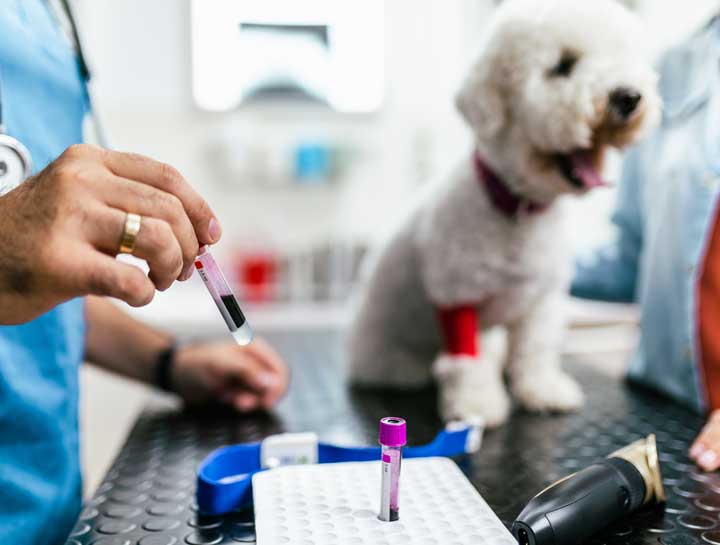
Detection of issues in pets before symptoms manifest allows for timely intervention, improving treatment outcomes and enhancing overall well-being.
Early intervention can prevent a minor health concern from escalating into a more serious condition, potentially saving both the pet and the owner from unnecessary suffering and costly treatments.
By identifying problems at an early stage, veterinarians can develop targeted treatment plans that effectively address the underlying issue, leading to quicker recovery times and a higher quality of life for the pet.
Moreover, early detection enables pet owners to take proactive steps in managing their pet’s health, fostering a stronger bond and sense of responsibility towards their furry companions.
Ultimately, the benefits of early intervention in pet diagnostics are paramount in ensuring the well-being and longevity of our beloved animal friends.
Role of Regular Screening
Regular screening plays a crucial role in maintaining the health and well-being of pets by proactively monitoring their internal health status, building upon the benefits of early intervention. By scheduling routine screenings for your furry companions, veterinarians can detect underlying health issues before symptoms manifest, enabling prompt treatment and potentially preventing serious complications. Through regular check-ups, potential concerns such as organ dysfunction, infections, or abnormal growths can be identified early on, allowing for timely intervention and improved outcomes.
Additionally, consistent screenings provide a baseline for comparison, facilitating the tracking of any changes in your pet’s health over time. Embracing regular screening as part of your pet’s healthcare routine can significantly contribute to their longevity and quality of life.
Conclusion
In conclusion, the use of advanced diagnostic technologies in pet diagnostics plays a crucial role in detecting health issues before symptoms manifest. Early detection allows for timely intervention, potentially preventing further complications and improving the overall health and well-being of pets.
Regular screening is essential in monitoring their health and addressing any potential issues proactively. By emphasizing the importance of early detection and intervention, pet owners can ensure the longevity and quality of life for their beloved companions.


